
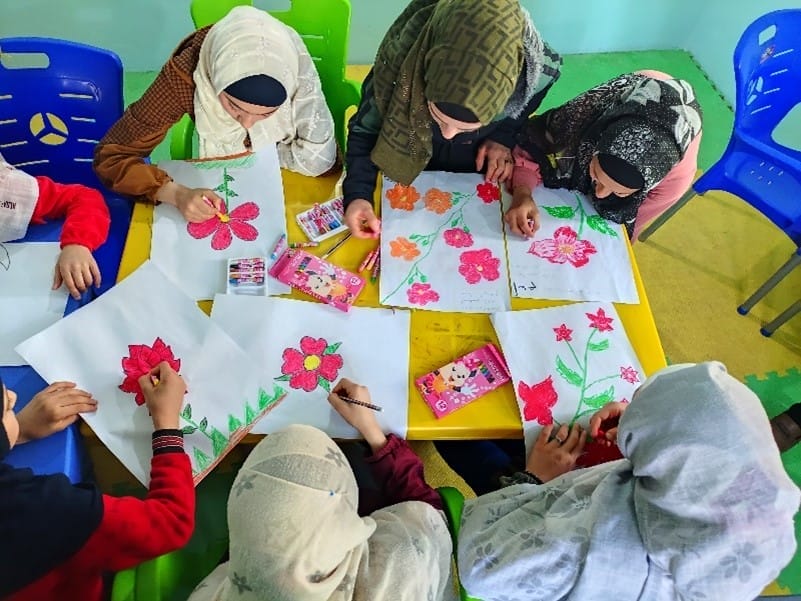
Protecting Children in Emergencies: Perspectives from Syria and Ukraine
By Emily Galloway, Tarek Fakhereddin, Nataliia Biloshytska and Tania Dudnyk Global Communities has a rich history of providing emergency aid…
Learn More
Adapting and Innovating in a Volatile World: Reflections from the 2024 Fragility Forum
By Paula Rudnicka, Sr. Manager for Public Affairs Last month, the World Bank held its 2024 Fragility Forum – a…
Learn More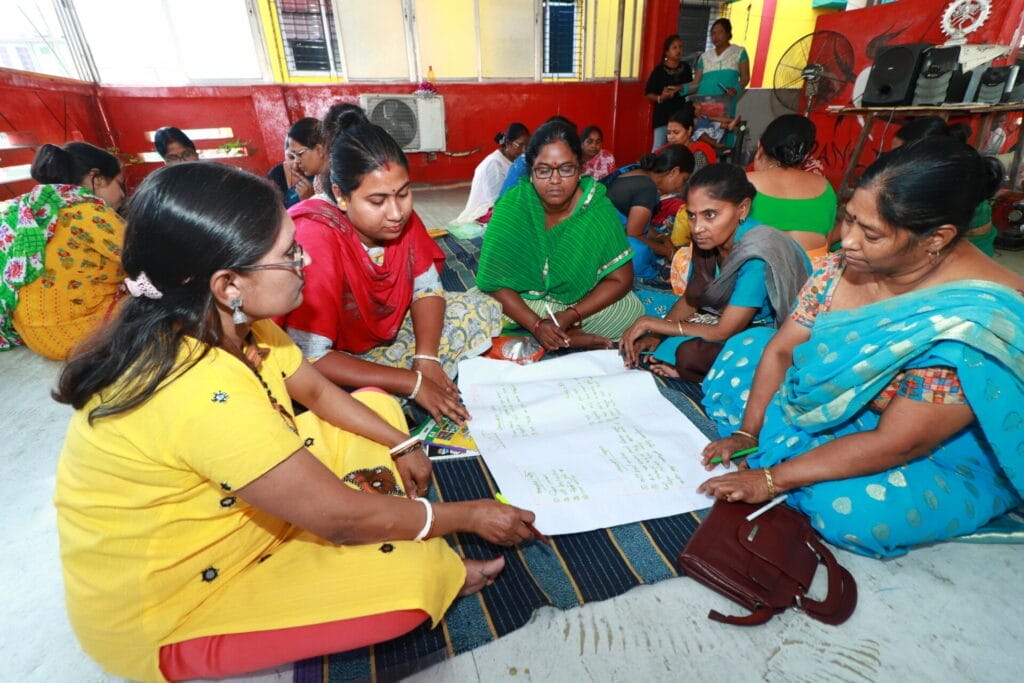
Promoting Women’s Entrepreneurship to Drive Economic Growth: Perspectives from India
By Irina Sinha, Project Concern International (PCI) India India has grown into the fifth largest economy in the world. The…
Learn More
Strengthening Economic Opportunities for Women Entrepreneurs through Cooperatives
By Ashley Holst Cooperatives are leaders in promoting inclusive economic growth by providing equitable and accessible solutions to economic and…
Learn More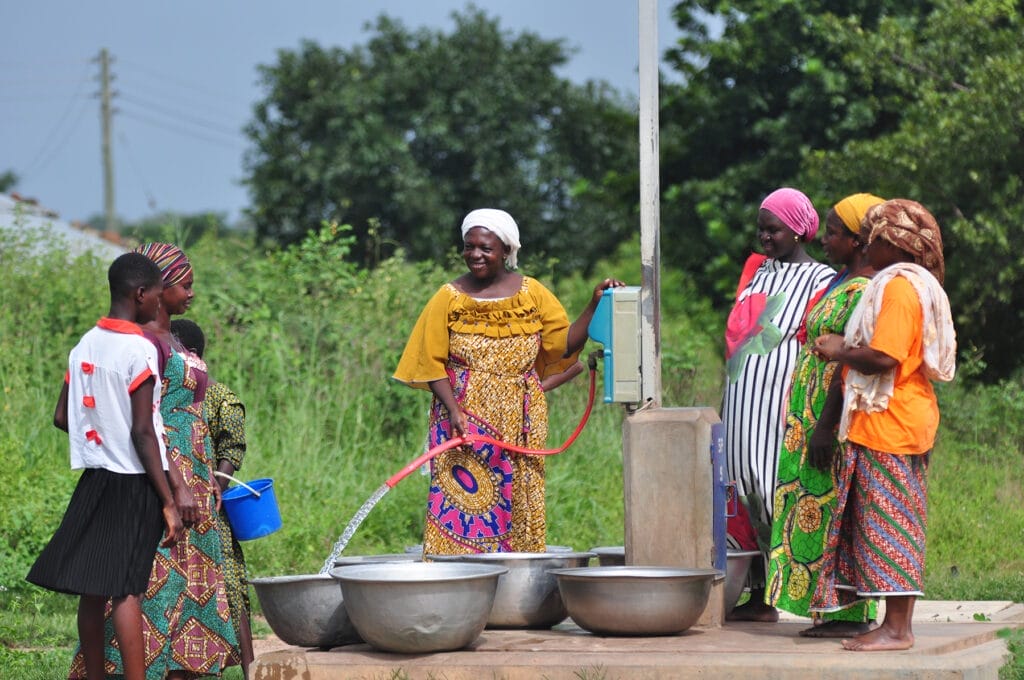
‘Game-Changing’ Water System Introduced in Northern Ghana
In the heart of the Bole District in Northern Ghana lies the serene and welcoming Mandari Community, a place that…
Learn More
Pass the Mic: Promoting Good Governance and Social Inclusion for Sustainable Access to Water and Sanitation in Ghana
By Paula Rudnicka, Sr. Manager for Public Affairs and Regine “Gigi” Dupuy, Sr. Technical Advisor for Governance. Video production by…
Learn More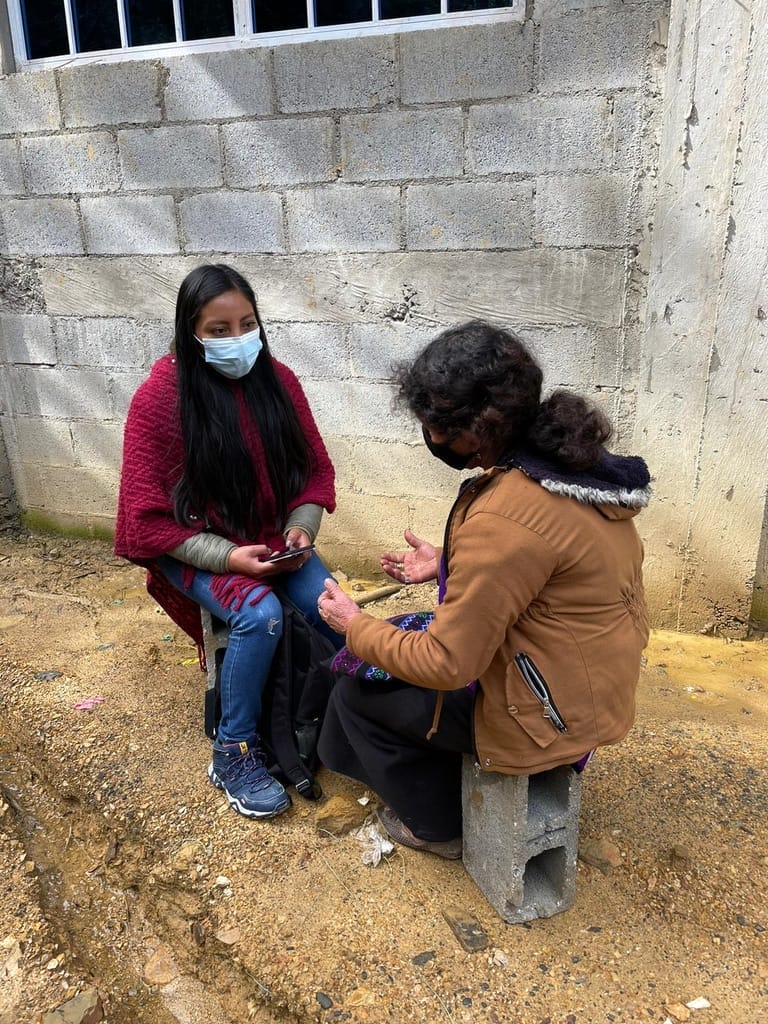
Unlocking Economic Empowerment: Insights from Gender Analyses in Guatemala and Kenya
By Chloe Pan Globally, nearly 2.4 billion women do not have the same economic rights as men, and on average,…
Learn More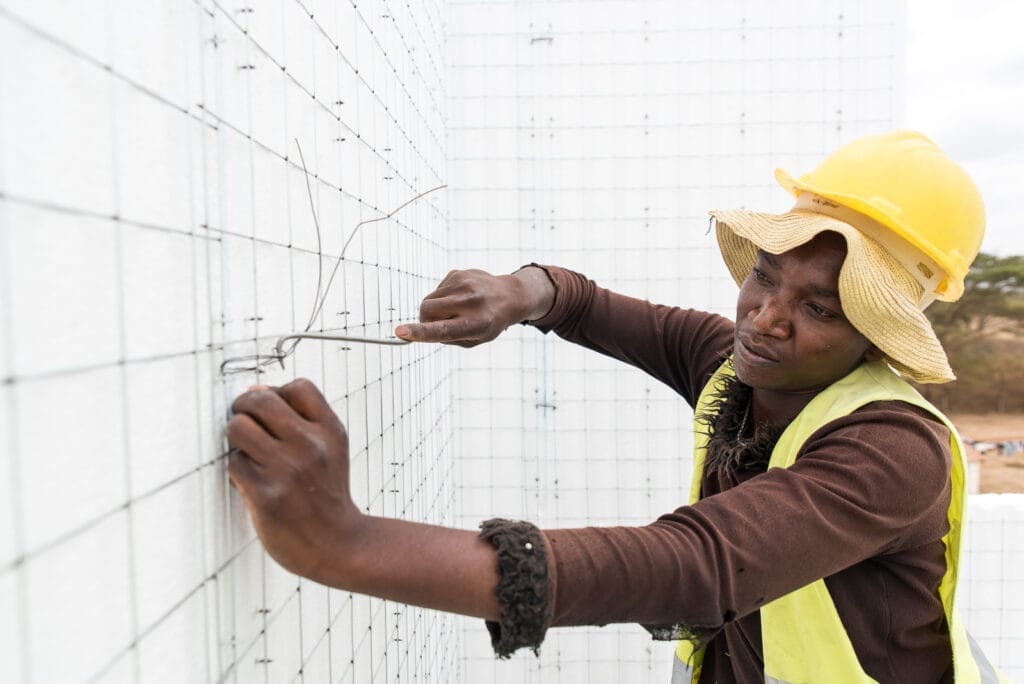
Promoting Economic Advancement as a Pathway to Preventing HIV and Violence against Adolescent Girls and Young Women
By Betty Adera This month, as we observe International Women’s Day 2024, it is imperative to reflect on the multifaceted…
Learn More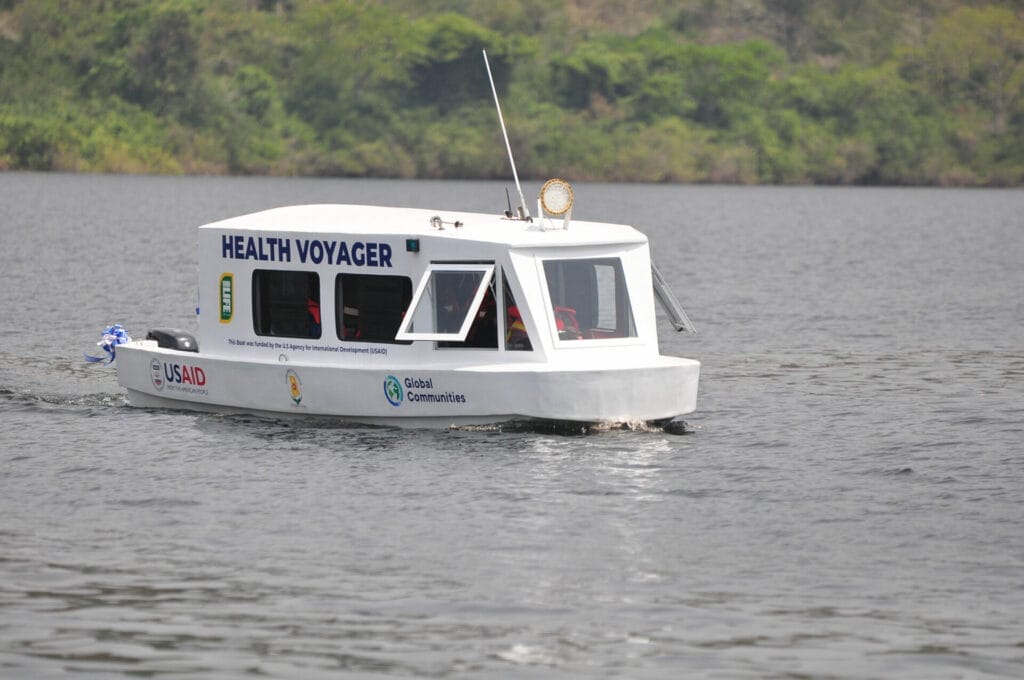
Bridging Healthcare Gaps for Island Communities in Ghana
In a momentous step towards revolutionizing healthcare accessibility for secluded island communities in the Oti region of Ghana, the United…
Learn More
A Holistic Intervention to Overcome Multiple Barriers to Women’s Entrepreneurship in Guatemala
By Mabel Bejerano, Global Technical Advisor for Women’s Empowerment and Savings Groups Toribia – a 54-year-old mother of eight from…
Learn More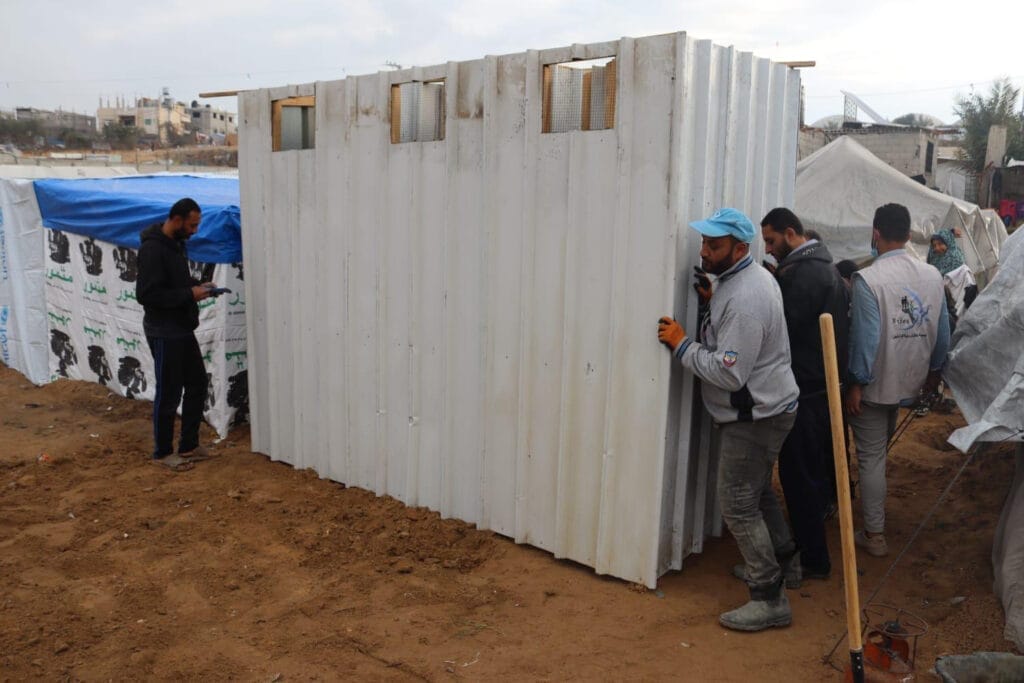
Global Communities and Bank of Palestine Scale Up Support for Families in Gaza with Essential WASH Units
Gaza Strip — In the spirit of sustained cooperation and a shared commitment to supporting those displaced by war in…
Learn More
Guatemalan School Kitchens Reopen After COVID-19 Shutdown
By Chloe Pan For the first time in nearly four years, school meals are once again being prepared in Guatemalan…
Learn More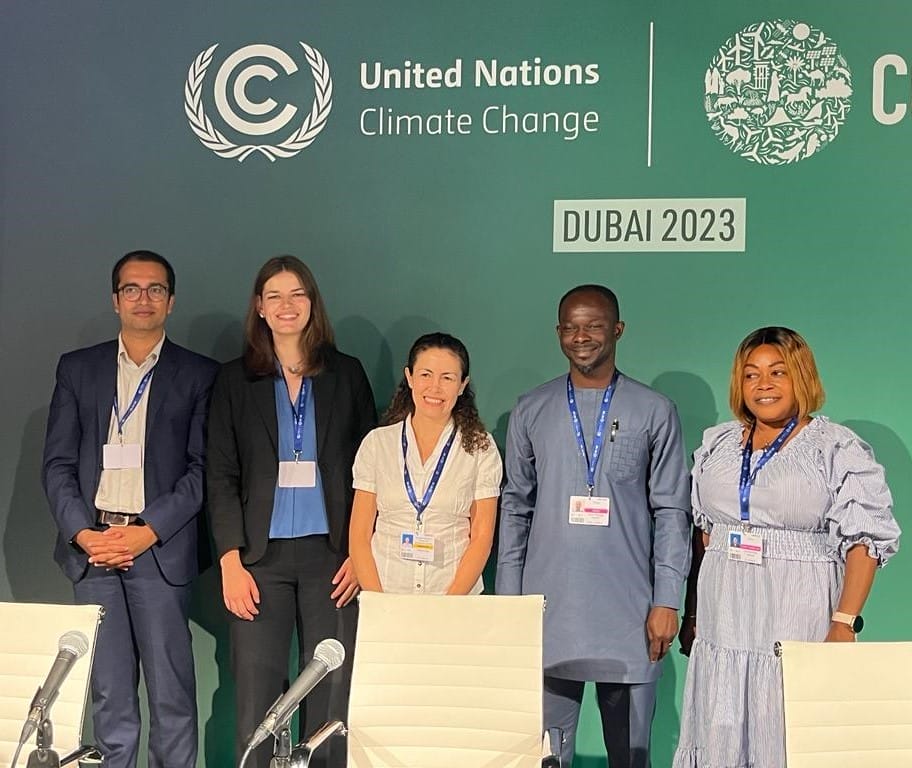
How to Develop Climate & Disaster Risk Finance Strategies: Reflections from the COP28
By Patricia Inga Falcón & Noah Steinberg-Di Stefano At the end of last year, more than 80,000 world leaders and…
Learn More
Making Space for Economic Growth in Ukraine’s Lanovetska Community
For years, Lanovetska Territorial Community, located in Ternopil oblast of Ukraine, was off the global economic map. Aspiring entrepreneurs were…
Learn More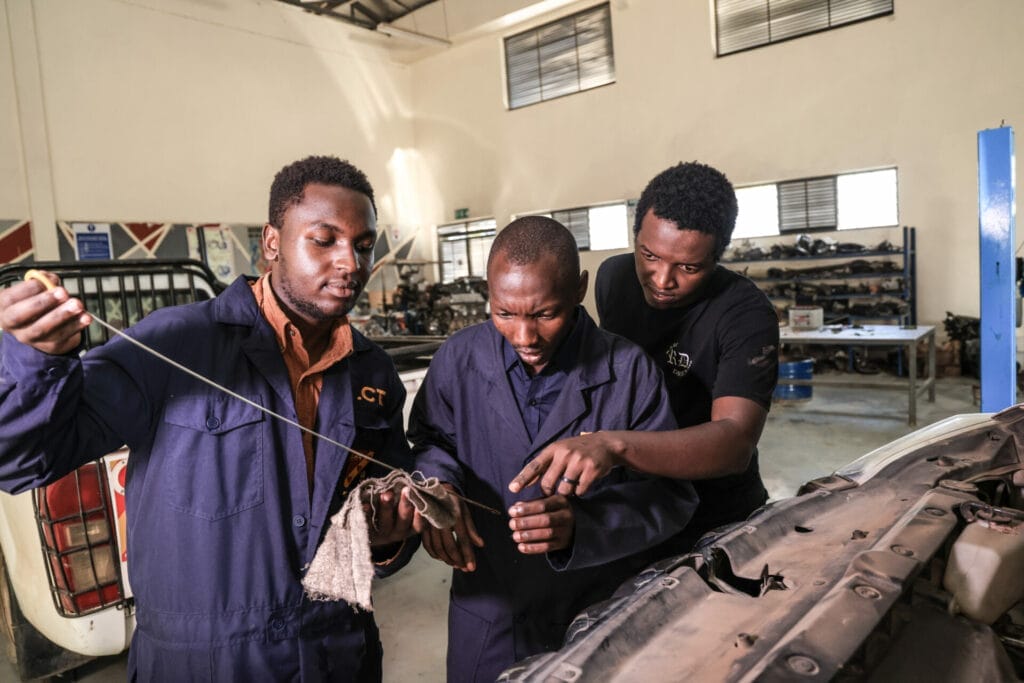
Driving Change: Youth-Led Worker Cooperative Transforming Kenya’s Automotive Industry
By Tindi Sitati and Mike Kipngeno Rooted in the energy of youth, the Transparency Auto Worker Cooperative was created in…
Learn More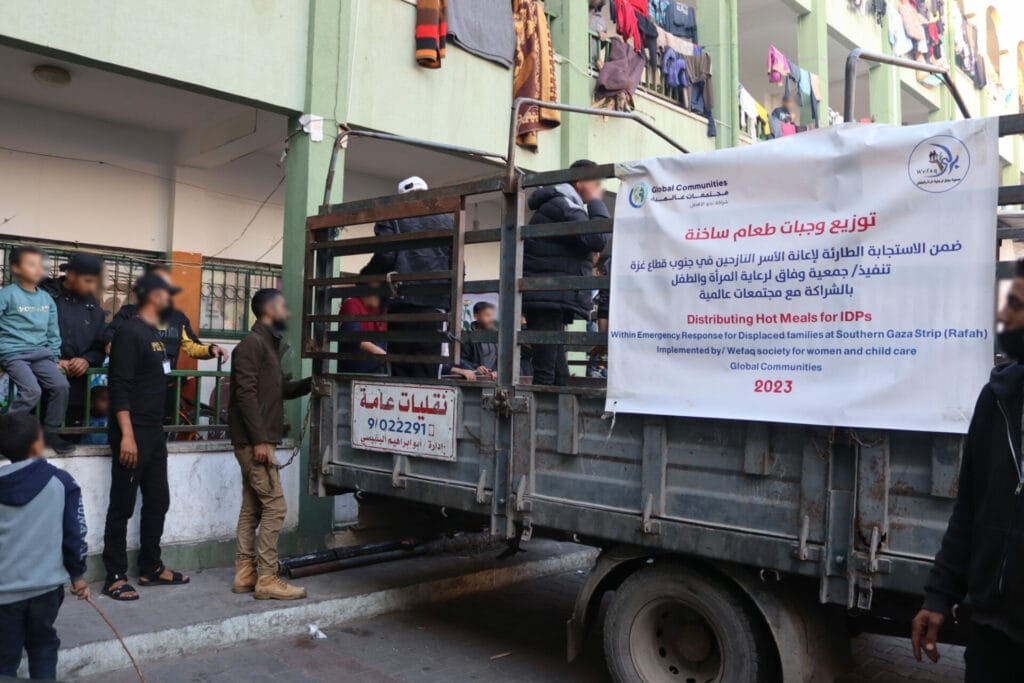
‘Survival, Resilience and Solidarity’: Our Relief Efforts in Gaza
By Maureen Simpson Now over four months in, the humanitarian crisis in Gaza has reached catastrophic levels, with one in…
Learn More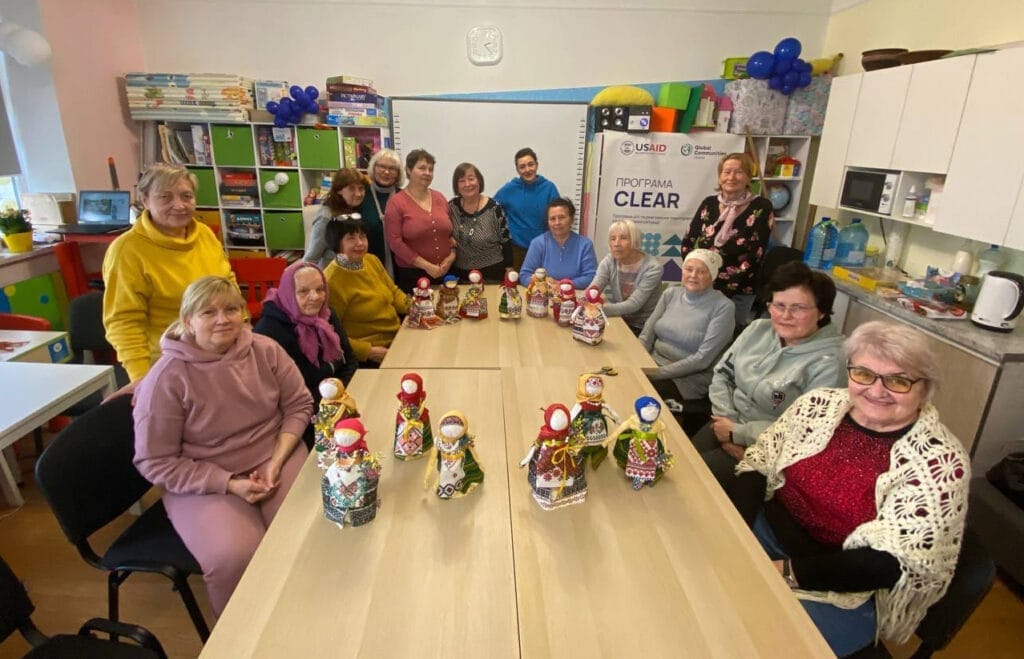
Building Community and Supporting Internally Displaced People with Integration Efforts in Ukraine
By Tania Dudnyk It took eight years for Yuliia to shake off the feeling of numbness and fully integrate into…
Learn More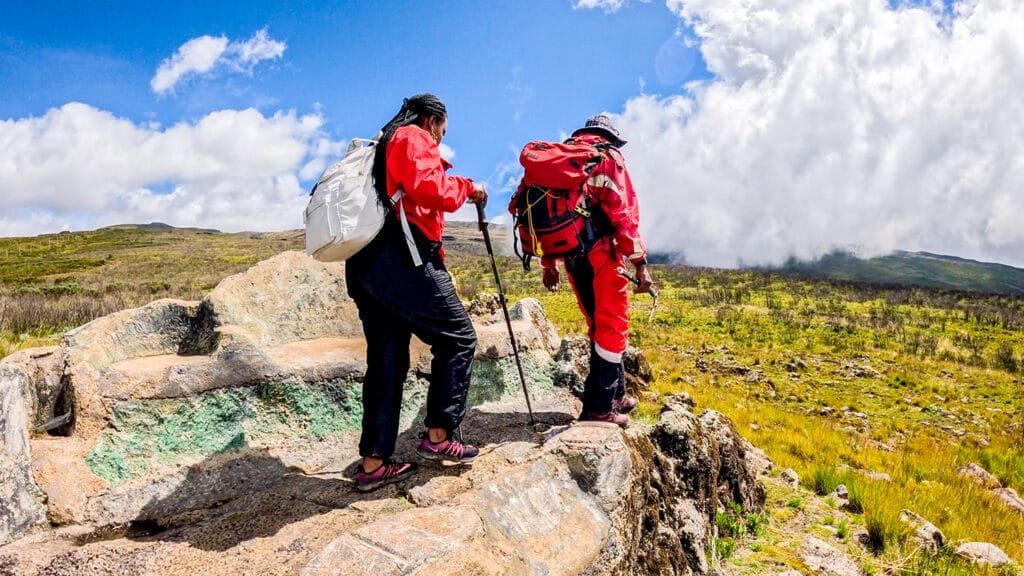
Generating Job Opportunities for Mountain Guides and Porters in Kenya
By Tindi Sitati and Mike Kipngeno Nestled within the scenic landscapes of Nyeri County, Mt. Kenya Guides and Porters Safari…
Learn More